
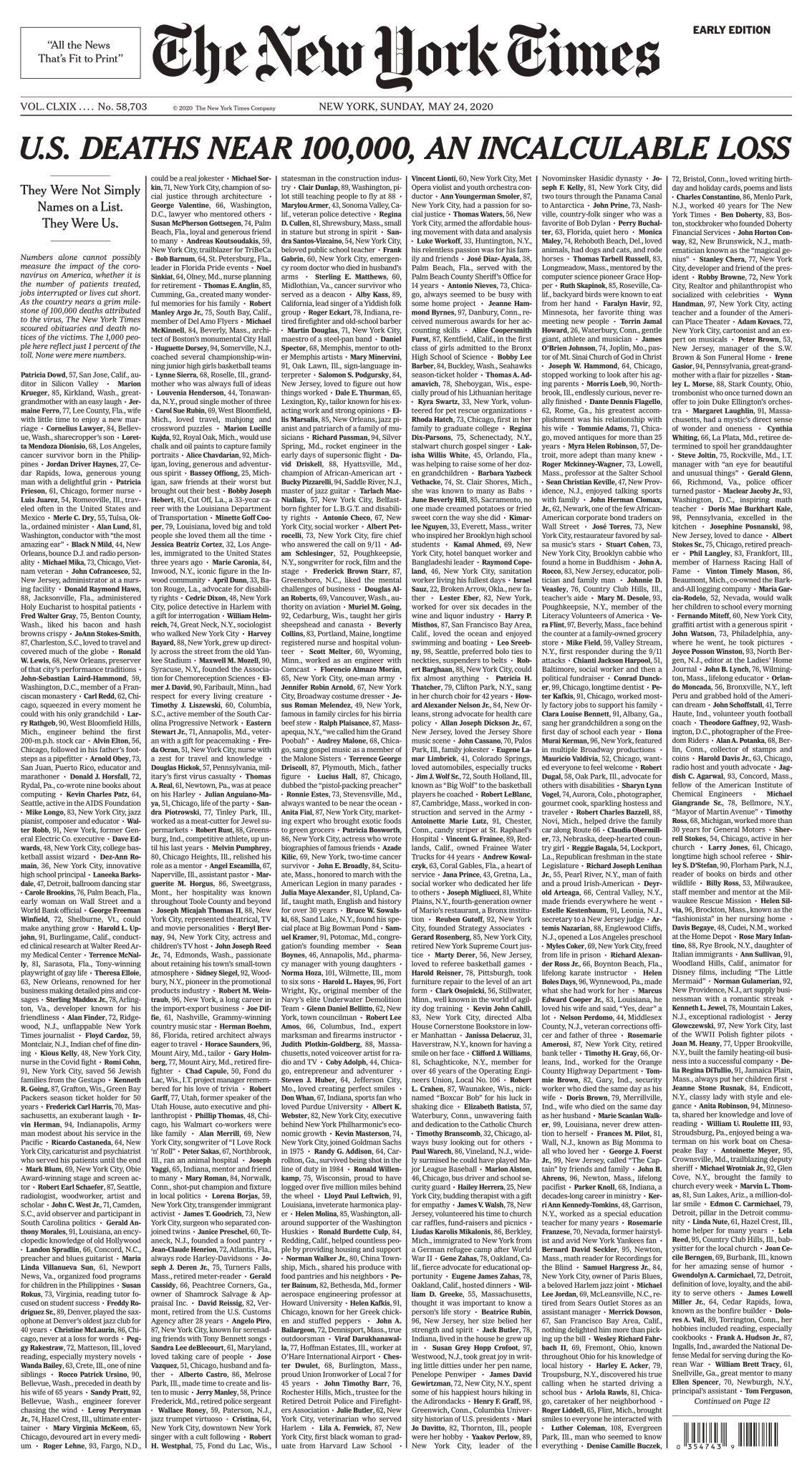
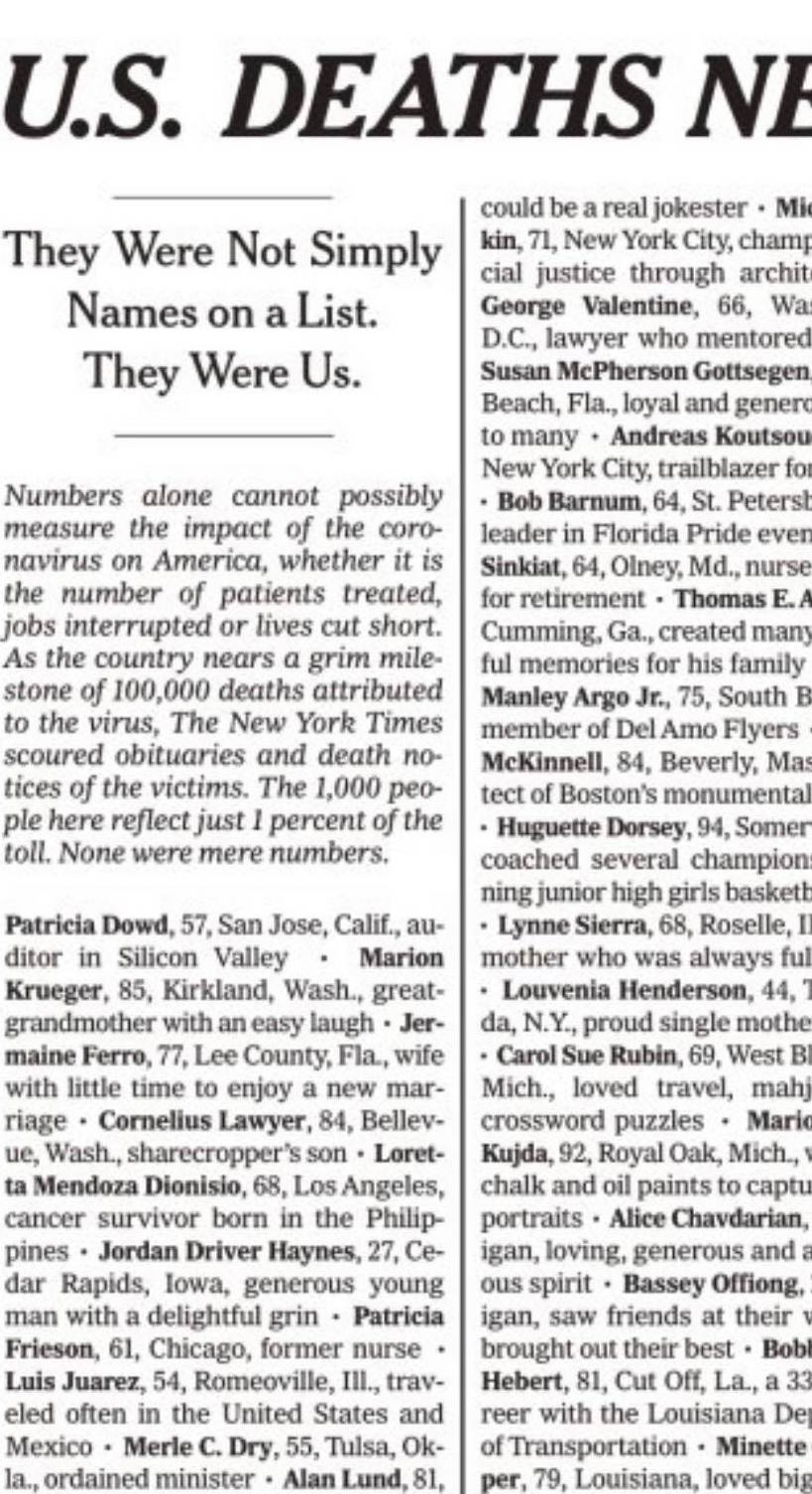
Here is a little update on where I’m at and what I’m up to: “Death before Decaf” and ain’t that the truth! CoVid19 restrictions are easing in Australia, slowly but surely, and state by state. We, as a Country, have managed to keep our rates of infection (and subsequently, death) extremely low in comparison with rest of the world — the United States now trumping the number one spot of coronavirus deaths worldwide. The New York Times recent front cover features an obituary of one thousand people who have lost their lives due to the novel coronavirus. These 1,000 make up a greater death toll of almost 100,000 in the U.S. today. I acknowledge this sombre fact, just as I recognise the countries suffering most from a pandemic that has very quickly turned into a humanitarian crisis.
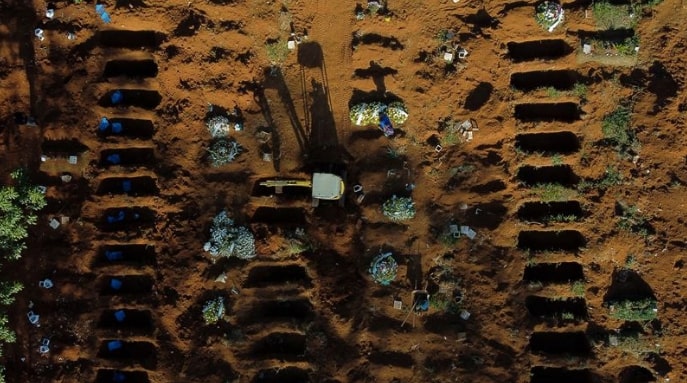
When I think of coronavirus, I hold many countries in my thoughts. Countries like Brazil, which just this week came to hold the #2 spot after the U.S. for most coronavirus infections, with 375,000 confirmed cases and counting. The city of Sao Paulo has been most affected; plagued with open-plot graves. I think of countries like India, whose people have been forced to walk thousands of miles home, many barefoot, for the government has stopped trains from running in hopes it will curb coronavirus infection. These people do not have jobs and cannot afford food, let alone shoes for the treacherous walk. Currently, India’s coronavirus cases have reached nearly 140,000.
Considering South America once more, I know that rates of infection in Argentina have been growing primarily within los barrios populares, ‘villas’, or to put it simply in Westerner’s terms, ‘shanty towns’ — poor people here are suffering the most from coronavirus, and how could they not? For some of these shanty suburbs within the capital of Buenos Aires, do not even have running water. Places where small houses built of concrete blocks are one on top of the other, literally, and house six, seven, eight people.
No water in the taps. Ramona Medina is one woman who advocated profusely for her rights, and the rights of the people around her, fighting for basic human care where she lived in Villa 31 — basic care such as clean drinking water. She wanted to to do her best to protect herself and her community against a pandemic. Unfortunately, that’s difficult to do that when you’ve no water in the taps to wash your hands.
Ramona, a diabetic and insulin dependent, lived with her disabled daughter, her partner, another daughter, her elderly parents-in-law, a cousin with cardiac problems and a diabetic niece, in House 79 of Block 35 — a block left without water in Villa 31. She fought about the conditions she lived in, conditions she could not overcome, for poverty is a long and difficult road from which many suffer all their lives. Water didn’t reach her home, but the virus did. I lament to report that Ramona died from coronavirus. Government officials now report that Barrio Mugica (a vast and, frankly, very scary looking shanty town that overshadows Buenos Aires’ principal bus station, Retiro) has a 67% positive rate of CoVid19 cases within the ‘barrio’, or suburb.

This pandemic has well and truly turned into a humanitarian crisis — And whilst this post, initially was to be about coffee and only coffee, it took a depressing turn. But hey, what’d you expect? Haven’t you ever read the morning paper with your cup of joe? A sobering act, indeed.
I contemplate Life and Death once more. I think of the lives impacted by this virus everywhere, and the very many ways that everyday life in Australia has changed. Our death toll sits at 102, thankfully “low”, and because of this, state politicians are urging us to return to a sliver of normality as best we can (that means: retail therapy, and a car trip 150 kilometres further than was previously allowed). Whilst our stores are opening up again, they do so with social distancing measures in place. Bottles of hand sanitiser at the door, a cue outside that doubles, triples, in size so we can maintain a 1.5 metre distance between us while we line up for, say, that cup of coffee.
I had to line up outside of ‘Death before Decaf’ for one, and I’m glad to say it was the best coffee I’ve had in this town as yet. A Brisbane local let me know the history of the place while a barista clad in all black made our order – my favourite fact being, of course, that the dive cafe is 24 hours. Love that. I fantasised about being cool enough to come at any time of the night, like I used to do in Buenos Aires. You know, go to 24 hour ‘resto-bars’ after a party to share a glass of wine with a friend, and a few croissants to accompany. I am eager as any to return to “Things the Way they Were”. But the truth is, they won’t.
Not for a long time, and not without precautions, not without more lives lost around the world. Whilst I rejoice in the little luxuries that my life in Brisbane, Australia, may bring me at this moment in time — I, too, must remember those who cannot.
 Couture Chronicles by Melanie Canosa
Leave a comment